

Jobcadu

AI is changing the workplace. But instead of making human skills less important, it may actually be making them more valuable than ever.
For years, conversations about artificial intelligence have focused on one major question: Will AI replace human workers?
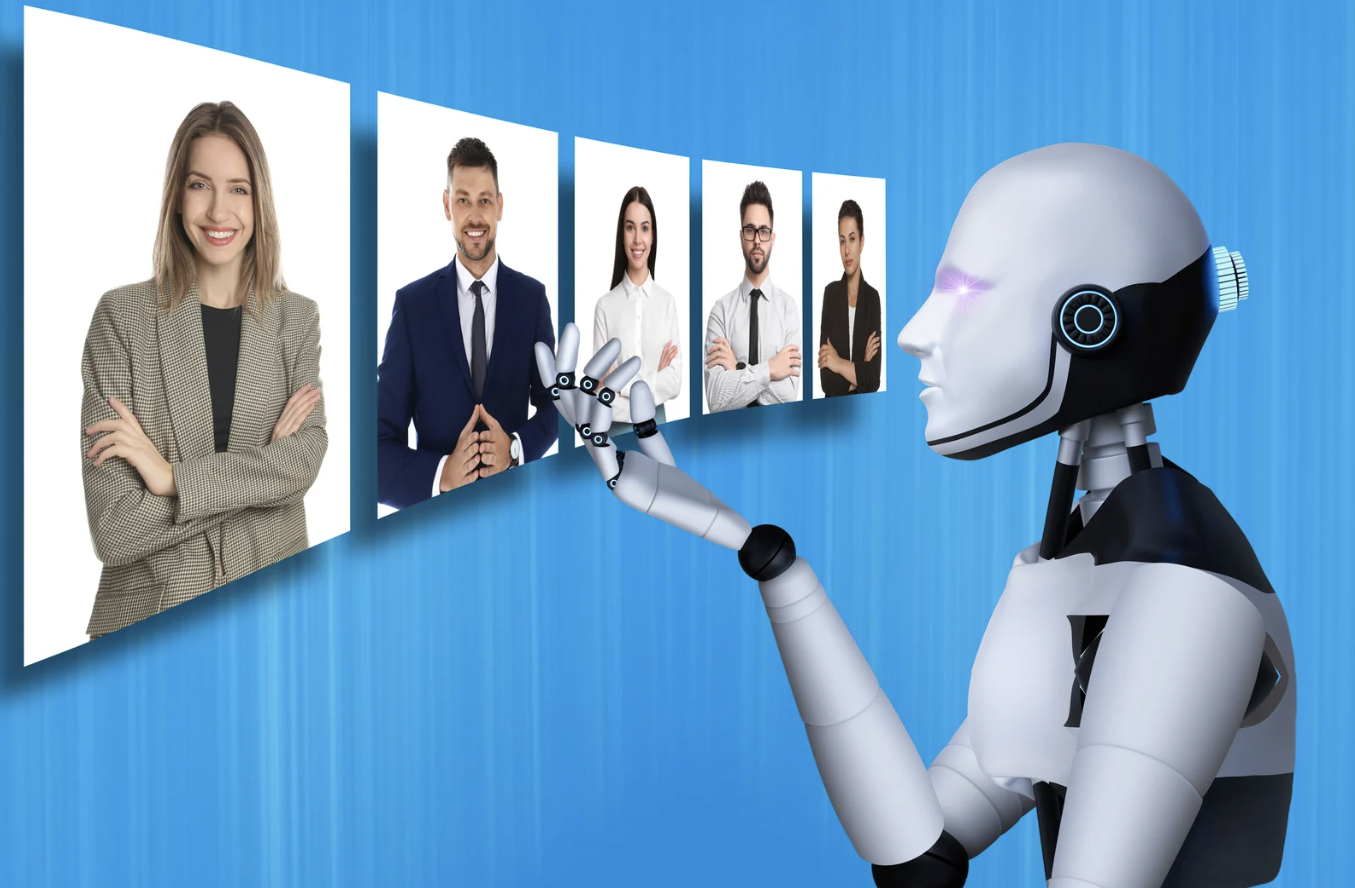
AI can now write emails, analyse data, summarise documents, generate presentations and automate many repetitive tasks. As these technologies become increasingly capable, it is understandable that many professionals worry that the skills they have developed throughout their careers could become less relevant.
However, the future of work may not simply be about humans competing against machines.
Instead, it may be about something much more important: what humans can do when machines handle more of the routine work.
According to PwC's 2026 Global AI Jobs Barometer, AI is increasing the importance of human skills such as judgement, creativity and leadership. The report analysed more than one billion job advertisements across six continents and found that AI is reshaping—not simply eliminating—the skills employers demand.
As AI takes over certain routine tasks, the value of distinctly human capabilities may continue to grow.
One common misconception is that the more advanced AI becomes, the less valuable human skills will be.
After all, if AI can write, calculate, research and generate ideas within seconds, why would companies need employees to develop additional skills?
The answer is simple: having access to information is not the same as knowing what to do with it.
AI can generate multiple answers to a question, but it cannot fully take responsibility for deciding which answer is appropriate for a particular business, customer, situation or ethical challenge.
For example, AI might help a manager analyse employee performance data. However, deciding how to give feedback to an employee requires empathy, communication and an understanding of the individual situation.
Similarly, AI can generate ten possible marketing campaign ideas. But someone still needs to determine:
Which idea best represents the brand?
Which idea will connect with the target audience?
What potential risks should the company consider?
Which strategy deserves investment?
These decisions require more than technical knowledge.
They require human judgement.
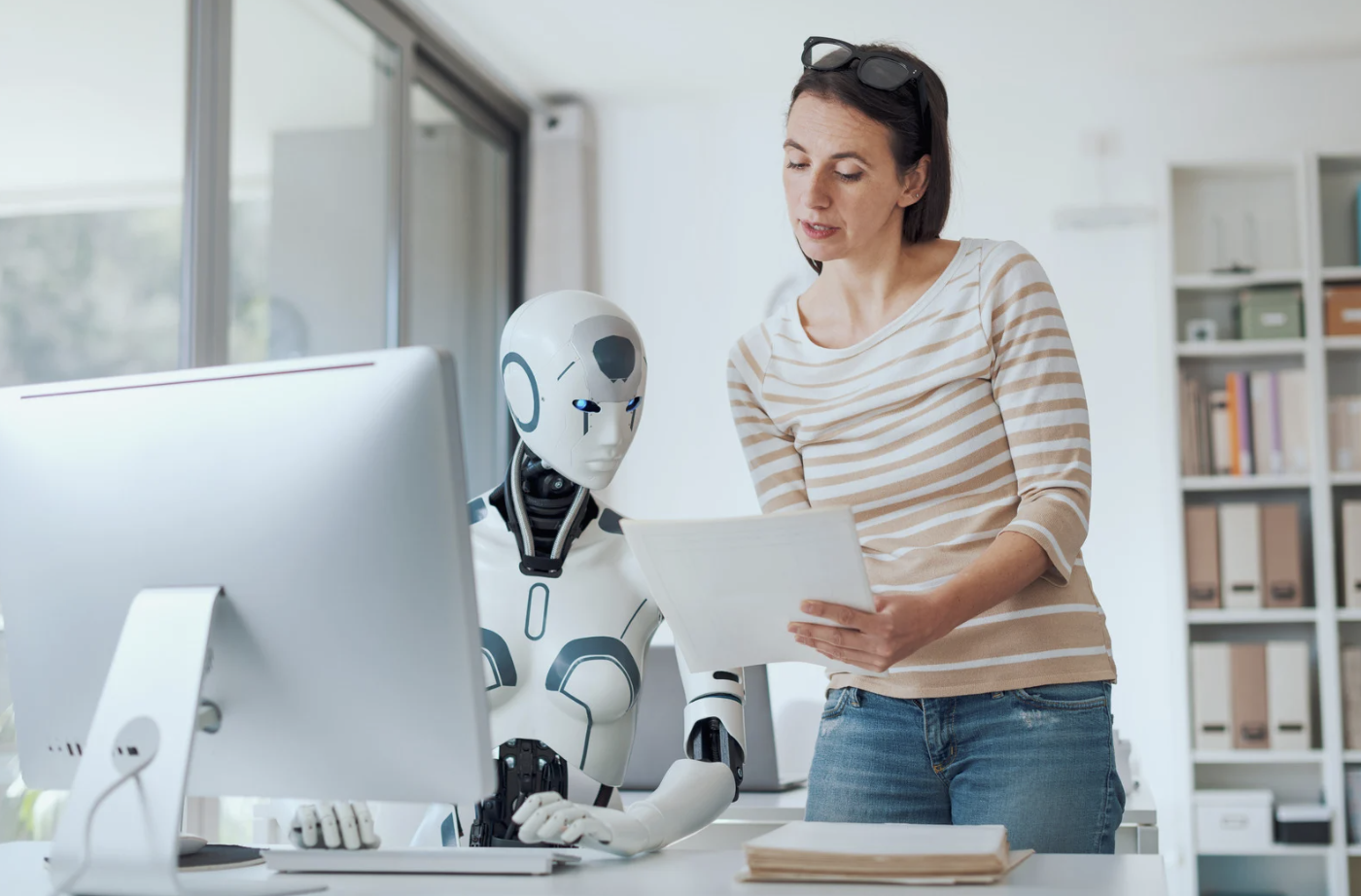
This is one reason why the future of work should not necessarily be viewed as a competition between humans and AI. Instead, successful professionals will increasingly need to understand how to combine AI capabilities with human expertise.
One of the most valuable skills in the AI era may be something that is difficult to automate: judgement.
AI can process enormous amounts of information and identify patterns faster than most humans. However, it does not possess human experience, personal accountability or a complete understanding of every real-world context.
A workplace decision often involves factors that cannot be easily reduced to data.
For example:
Should a company launch a product despite potential reputational risks?
Should a manager promote one employee over another?
Is an AI-generated recommendation appropriate for a specific customer?
How should a business respond during a crisis?
There may not always be one objectively correct answer.
Professionals need to evaluate information, understand context, consider consequences and make responsible decisions.
PwC's 2026 research found that tasks added to highly AI-exposed jobs are 2.5 times more likely to rely on human-intensive skills such as empathy, judgement and creativity.
This suggests that as AI handles more routine activities, humans may increasingly focus on the complex decisions that require experience and critical thinking.
Leadership, communication and decision-making will remain critical
AI can support leaders, but leadership itself involves much more than providing information.
Great leaders need to:
Build trust
Communicate a clear vision
Manage conflict
Motivate teams
Make difficult decisions
Navigate uncertainty
Take responsibility for outcomes

These are deeply human capabilities.
A leader may use AI to analyse market trends or prepare a report. However, AI cannot replace the human relationships required to unite a team behind a difficult decision.
This is particularly significant for professionals early in their careers.
This could mean that the traditional career path is changing.
In the past, junior employees might have spent years completing repetitive tasks before gradually moving into more strategic responsibilities.
Today, AI can potentially automate some of those entry-level tasks.
As a result, professionals may need to develop higher-level capabilities earlier in their careers.
This includes:
Strategic thinking
Communication
Leadership
Decision-making
Stakeholder management
Problem-solving
Generative AI has made content creation easier than ever.
Almost anyone can now use AI to generate:
Social media captions
Marketing ideas
Images
Business proposals
Presentation drafts
Product concepts
However, access to AI does not automatically create originality.
If everyone uses similar AI tools and similar prompts, businesses could potentially produce similar ideas and similar content.
This makes human creativity even more important.
Creativity is not simply about generating more ideas.
It involves:
Asking better questions
Making unexpected connections
Understanding people and culture
Challenging existing assumptions
Identifying new opportunities
AI can support the creative process, but humans still determine the direction.
AI is extremely useful for solving structured problems.
You can provide information, define a question and receive a response within seconds.
However, real workplace problems are often messy.
The problem may not be clearly defined.
Different stakeholders may disagree about what the actual issue is. Information may be incomplete, and the situation may constantly change.
This is where human problem-solving becomes particularly valuable.
Strong problem-solvers can:
Identify the real problem.
Ask the right questions.
Consider different perspectives.
Evaluate possible solutions.
Make decisions despite uncertainty.
Adapt when circumstances change.
AI can support each stage of this process, but the human professional still plays an essential role.
In other words, the future may not reward people simply for knowing the answers. It may reward people who know which questions to ask.

PwC's 2026 AI Jobs Barometer describes a growing difference between two types of work.
The first is referred to as “professionalised” roles.
These are roles where AI automates more routine work and allows professionals to focus on higher-value tasks requiring expertise, judgement and human skills.
The second type includes roles that AI can make easier for people without extensive expertise to perform.
PwC found that professionalised roles are experiencing stronger growth and faster wage growth than roles that are being primarily simplified or “democratised” by AI.
This creates an important message for professionals:
Your future value may increasingly depend on the capabilities that become more important when routine tasks are automated.
These capabilities include:
1. Judgement: The ability to evaluate information and make responsible decisions.
2. Leadership: The ability to guide, motivate and influence other people.
3. Creativity: The ability to develop original ideas and see opportunities from different perspectives.
4. Communication: The ability to explain complex ideas and build understanding between people.
5. Emotional Intelligence: The ability to understand your own emotions and respond effectively to others.
6. Problem-Solving: The ability to navigate complex and uncertain challenges.
7. Adaptability: The ability to learn, change and remain effective in an evolving environment.
These skills may be particularly difficult to standardise because they depend heavily on context, experience and human interaction.
Simply writing “leadership” or “creative” in the skills section of your resume is not always enough.
Employers want evidence.
Instead of only listing your skills, show how you used them to create results.
Instead of writing: Leadership
Try showing it through an achievement:
Led a cross-functional team of 10 members to launch a new marketing campaign that increased customer engagement by 35%.
This demonstrates:
Leadership
Collaboration
Communication
Project management
Instead of writing: Problem-solving
Describe the situation and your contribution:
Identified inefficiencies in the customer support process and developed a new workflow that reduced response times by 25%.
This provides evidence that you can identify problems and create practical solutions.
Instead of simply writing: Creative thinking
Explain how your ideas made an impact:
Developed a new social media content strategy that increased organic engagement and improved brand visibility among younger audiences.
Creativity becomes more credible when connected to measurable outcomes.
Communication is not only about giving presentations.
It can also involve:
Managing stakeholders
Explaining complex information
Working across departments
Negotiating with clients
Leading meetings
For example:
Collaborated with marketing, sales and product teams to align campaign strategies and communicate key insights to senior stakeholders.
This shows employers how your communication skills work in a real professional environment.
The human advantage is changing
AI will undoubtedly change the world of work.
Some tasks will disappear. New roles will emerge. Existing jobs will continue to evolve.
However, the growing use of AI does not necessarily mean that human capabilities are becoming less valuable.
In many cases, the opposite may be happening.
As AI handles routine and repetitive tasks, professionals have more opportunities to focus on work that requires:
Judgement
Creativity
Leadership
Communication
Problem-solving.
The future may therefore not belong to people who compete with AI.
It may belong to those who understand how to use AI while continuing to develop the skills that make them uniquely human.

Understanding your skills is the first step towards building a stronger career.
Before updating your resume, take the time to identify your strengths and the areas you may need to develop. A Skills Assessment can help you better understand your current capabilities and identify skills that are relevant to your career goals.
Once you understand your strengths, use them to create a resume that goes beyond simply listing responsibilities.
With the Jobcadu’s Resume Builder, you can build a professional resume and highlight your skills and achievements more effectively.
Your future career is not only about what AI can do. It is also about what you can do better because AI is part of your work.
No sections detected in this article.


