
“I have been working for 7 years, but every morning I wake up feeling like it’s not me...”
“I want to switch to the Tech field, but I’m afraid I can’t compete with fresh graduates.”
“I’m in my 30s-40s, is it really too late to start learning again?”

If you have ever had these thoughts cross your mind, it means you are entering a state called Career Pivot or the decision to change career direction. In today’s era, "changing careers" is not unusual and does not always mean starting over. It is about shaking up your previous experience combined with new skills to create greater opportunities.
This article will help you lay out a Learning Path step by step, so your career transition is strategic, not aimless, and not a waste of time.
In the past, we might have sought stability by working in the same organization until retirement, but the world in 2025-2030 is different. Current careers are characterized by a “Portfolio Career,” or the accumulation of diverse skills to create wealth from multiple sources.
Many professions in the past are reaching saturation, while emerging fields like Data Science, AI, or Sustainability have clearly higher salary ceilings.
Digital Transformation has replaced routine jobs with automation, so many people need to reskill to move into roles that require analytical or creative skills that robots cannot perform.
After the pandemic, many people yearn for remote or hybrid work, which digital and tech fields often accommodate better than traditional manufacturing or service jobs.

Younger generations and middle-aged individuals are beginning to question the "value" of their work. Career changes often occur because they want to move into fields that create a positive impact on society or the environment.
Don’t rush to quit your job to enroll in expensive courses if you don’t have clear answers to these 3 points:
Changing careers because you "hate your boss" may end up with you encountering a similar boss in a new field, but changing because you "want to work with more statistics" will give you a clear direction for your studies.
You are not starting from zero. For example:
From Marketing → UX Design: You already have a foundation in understanding User Behavior; you just need to learn design tools.
From Finance → Data Analytics: You are already good with numbers; you just need to learn programming languages like Python or SQL.
From Admin → HR: You are skilled in managing people and documents; you just need to add knowledge in labor law and organizational psychology.

Explore job postings for the positions you dream of. See what certificates they require or what specific skills or tools they are looking for.
Analyze your existing skills against the job you want to pursue → Conduct a Skill Assessment on Jobcadu.
Everyone has different life circumstances; choose the path that suits your time and budget constraints:
Suitable for those who want to completely leave their previous field, such as from a receptionist to a web developer.
Steps: Learn the basics (Foundational) → Enroll in specialized courses (Bootcamp) → Work on side projects to build a portfolio → Create a portfolio that showcases your potential → Start with freelance or internship work.
This is the safest route and often results in an immediate salary increase.
Example: An accountant who learns about data will become a highly sought-after financial analyst, or a salesperson who learns about e-commerce will become a key account manager on online platforms.
Suitable for those who want to grow in their current field but change their "role" or "level" of work.
Learning: Focus on obtaining internationally recognized certificates, such as PMP (Project Management), Google Data Analytics, or courses from leading global universities.
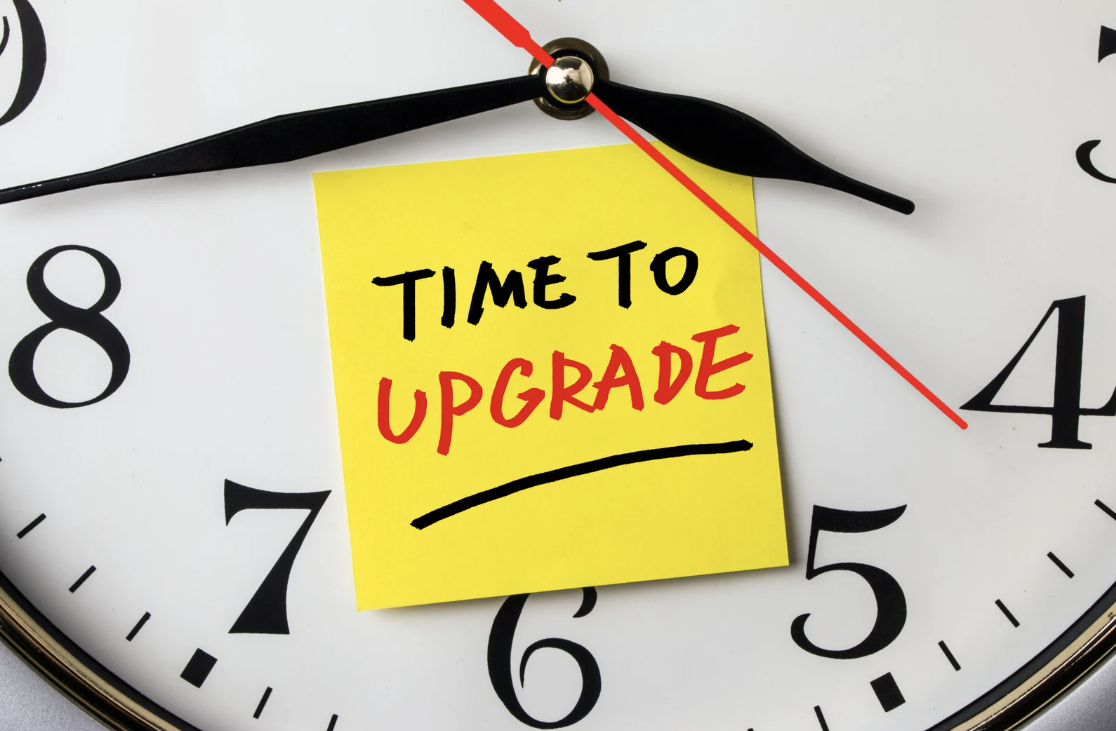
"Don't jump without a parachute." If you're still unsure, spend 1-2 hours after work each day learning online and taking small-scale jobs to test whether you really "like" that work before deciding to fully switch careers.
The answer is "Definitely not, and you have an advantage." Many people worry about age, but from an employer's perspective, people aged 30-40 have things that fresh graduates do not, namely:
Strong Soft Skills: Communication, Conflict Management, and Leadership
Business Acumen: Understanding of the overall business accumulated over decades
Reliability: Responsibility and calmness in problem-solving

Changing careers at this age is not about competing to write code as fast as a 22-year-old, but about using new skills to enhance existing experience to become a "broad-minded expert."
Duration | What to Do |
Month 1–2 | Self-Discovery: Conduct a Skill Assessment, choose the right career path, and select core courses |
Month 3–6 | Hard Skill Building: Enroll in core courses, practice using tools, and work on simulated projects |
Month 7–9 | Portfolio & Networking: Compile your work, improve your LinkedIn, and start talking to a Mentor |
Month 10–12 | Job Hunting: Start applying for jobs, interviewing, and preparing for the transition period of changing jobs |
Resigning Before Planning: Stress from dwindling finances will lead you to choose the wrong job again
Learning Too Much Theory (Tutorial Hell): Completing many courses without any real "work" to validate
Lack of Clear Goals: Learning haphazardly based on trends without addressing your own strengths
Lack of Connections: Forgetting that most jobs come from "referrals" not just applying online

Changing careers is not a failure from your old job, but rather an "upgrade" of your version to keep up with the world. Start changing careers strategically today at Jobcadu.
👉 Visit the Jobcadu Education Portal to plan your Career Switch today
Books recommended on Jobcadu may contain affiliate links. As an Amazon Associate, Jobcadu may receive a commission from eligible purchases, with no additional cost to you.
Books recommended on Jobcadu may contain affiliate links. As an Amazon Associate, Jobcadu may receive a commission from eligible purchases, with no additional cost to you.
Master the skills mentioned in this article with our top-rated courses.