Logo
  • Pro Profile
  • Jobs
  • Career
    Career ToolkitCareer PathwayEducationGrowthInspiration
    PersonalityJobs & IndustriesJob SearchResume & PortfolioWellbeing
  • Education
  • Resume Builder
  • Post Job


  • Jobcadu Logo

    Best career platform for job search, recruitment, career assessment & education

    30,000+ Jobs

    Jobs Functions

    Sales

    Marketing

    Accounting & Finance

    Information Technology (IT)

    Data & Analytics

    For Job Seekers

    Jobs

    Resume Builder

    Education Resources

    Resume Resources

    For Corporate Users

    Post Jobs

    Resources

    About Us

    Terms of Use

    Privacy Policy


    © 2025 Jobcadu. All rights reserved

    1. Careers

    2. What is a CV? How is it Different from a Resume

    What is a CV? How is it Different from a Resume

    Posted February 24, 2025

    Resume & Portfolio

    Tags:

    job application
    CV
    Curriculum Vitae
    What is a CV? How is it Different from a Resume


    When it comes to job applications, many people may have heard of the terms "CV" and "Resume," but sometimes it can be unclear what the difference is, and whether they can be used interchangeably. In this article, Jobcadu will help clarify the difference between a CV and a Resume, how to choose the right one for each job, and how to use AI to improve your CV and Resume for better results.


    What is a CV?

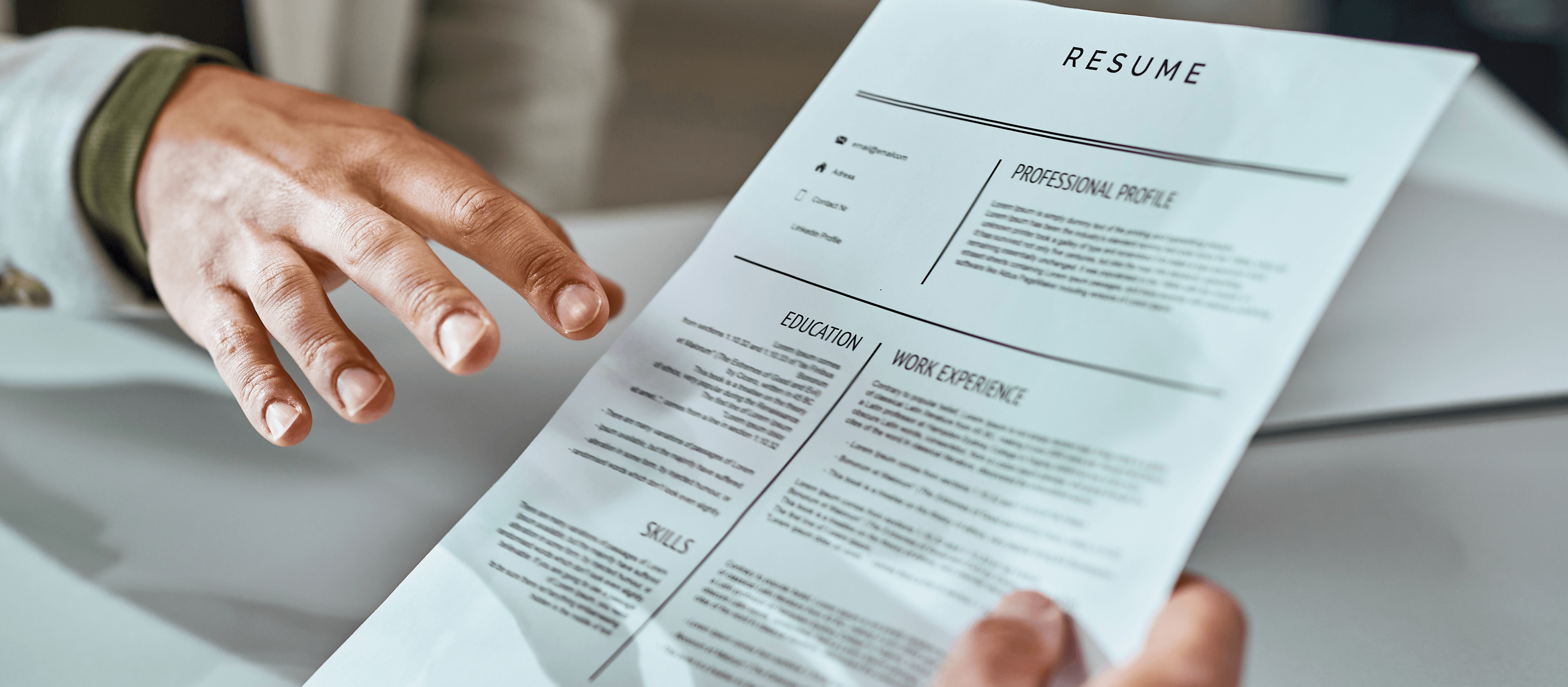
    A CV (Curriculum Vitae) is a document used to introduce yourself to potential employers, highlighting your work history, professional experience, skills, and relevant training that is important to your career. CVs are typically used for jobs that require detailed information rather than general details, with a focus on presenting a chronological timeline of your career.


    Components of a CV

    • Personal Information: Name, address, phone number, and email
    • Education and Work History: List of previous job titles and descriptions
    • Skills and Abilities: Specific skills related to the position
    • Portfolio or Projects: Examples of past work to showcase your skills
    • Training and Certifications: Additional learning or certifications, including references


    What is a Resume?

    A Resume is a document that introduces yourself in a concise manner, focusing on the skills and experiences that are relevant to the job you're applying for. Writing a Resume involves tailoring it to make sure it highlights the qualities that match the job requirements. In general, a Resume is shorter than a CV.


    Components of a Resume

    • Personal Information: Name, address, phone number, and email
    • Career Objective: A statement about your goals and direction
    • Work Experience: A summary of key positions and responsibilities
    • Skills: Relevant skills for the job
    • Education: Institutions and courses related to the position
    • Portfolio or Projects: If applicable, to showcase your capabilities


    Difference Between CV and Resume

    The choice between using a CV or a Resume depends on the type of job and the company's requirements. A CV is typically used for positions that require more detailed information, such as research or specialist roles, or for applications to further education. On the other hand, a Resume is more commonly used for roles where concise, targeted information is preferred, and it allows for personalization through tailored templates. Therefore, these two documents cannot fully replace each other as they serve different purposes and have different formats.


    Can You Use a CV Instead of a Resume?

    While you can use a CV for job applications, it might not always be the best choice. Recruiters usually take only a short time to decide whether to proceed with a candidate, and a CV might be too detailed and not concise enough for their needs. However, if you're applying for a highly specialized job or continuing your education, a CV is the appropriate choice as it provides more in-depth information than a Resume.


    Should You Include a Photo in Your CV or Resume?

    One common question when creating a CV or Resume is whether you should include a photo. This depends on the type of job you're applying for. For positions in fields like data analysis, accounting, or IT, employers are likely to focus more on your skills and experience rather than your appearance, so including a photo isn't necessary. However, for jobs in customer service or sales, including a photo might help create a more professional impression. If you choose to include a photo, make sure it is formal, such as one taken in a shirt or suit, with a simple background that isn't too cluttered. Avoid using graduation photos or inappropriate images.


    When Should You Use a CV Instead of a Resume?

    Use a CV for positions that require more detailed information and a comprehensive timeline of your work experience.


    When Should You Use a Resume Instead of a CV?

    Use a Resume when applying for jobs in organizations that aren't as strict about qualifications and focus more on highlighting key skills, personal attributes, and relevant experience.


    Using AI to Enhance Your CV and Resume for Your Dream Job

    In today's digital age, AI is becoming increasingly popular for creating and improving CVs and Resumes. AI can help optimize your document by suggesting keywords from job descriptions, ensuring your document is tailored to the role you're applying for. AI can also help spot grammatical errors and polish your writing to make your CV or Resume look more professional.


    AI Tools You Can Use:

    • Resume Builder: This tool is popular because it offers many templates and includes grammar and spell-check functions. Jobcadu also provides a Resume Builder for you to use. 
    • Canva: While it's primarily a graphic design tool, Canva also offers beautiful and easy-to-use Resume templates.
    • ChatGPT: Although it doesn't design, ChatGPT can help analyze job keywords and make your Resume stand out by optimizing it for the role.


    Now that you understand how to choose the right document and format, you can create your CV or Resume with confidence. If you’re looking for quality job opportunities with top companies in Thailand and abroad, don't forget to upload your Resume to Jobcadu. We have a collection of leading companies ready for you!


    Related Careers

    Create a Standout Professional Resume: Boost Your Chances with Jobcadu Resume Builder
    RESUME & PORTFOLIO

    Create a Standout Professional Resume: Boost Your Chances with Jobcadu Resume Builder

    Applied to 500 Jobs: Uncovering What Recruiters Truly Value
    RESUME & PORTFOLIO

    Applied to 500 Jobs: Uncovering What Recruiters Truly Value

    How to Choose the Right Career Path in 7 Simple Steps
    RESUME & PORTFOLIO

    How to Choose the Right Career Path in 7 Simple Steps

    What is a Resume? How to Make Your Resume Instantly Grab HR’s Attention
    RESUME & PORTFOLIO

    What is a Resume? How to Make Your Resume Instantly Grab HR’s Attention

    When Is the Best Time to Send Your Resume? Tips to Get Noticed by HR
    RESUME & PORTFOLIO

    When Is the Best Time to Send Your Resume? Tips to Get Noticed by HR

    Interpersonal or Soft Skills to Include in Your Resume to Impress HR
    RESUME & PORTFOLIO

    Interpersonal or Soft Skills to Include in Your Resume to Impress HR

    How to Write a Standout CV: Tips to Impress HR and Get Shortlisted
    RESUME & PORTFOLIO

    How to Write a Standout CV: Tips to Impress HR and Get Shortlisted

    How to Create a Job-Winning Portfolio
    RESUME & PORTFOLIO

    How to Create a Job-Winning Portfolio