
 Get to Know the Archetype Test: 12 Archetypes, Which One Are You?
Discover the hidden Archetype within you through this test. Archetype is a concept developed by Carl Jung, a famous psychologist, that helps you understand yourself more deeply. Beyond MBTI, Enneagram, and DiSC, knowing your Archetype will help you develop yourself, improve relationships, and plan your future effectively. This theory suggests that each person has psychological traits that are archetypal in the subconscious. Taking the test will reveal which Archetype stands out in you, leading to a better understanding of your behaviors, motivations, and decisions. Start your journey to discover your true self today with our Archetype test and unlock the potential hidden within you.
Jungian Archetype is a concept proposed by Carl Jung that in the human subconscious, there are psychological traits that are archetypal or "Archetype" (pronounced as ar-ki-type) that influence our behaviors and decisions. Jung categorized Archetypes into several types, but the most famous are the 12 main Archetypes, which include Innocent, Orphan, Hero, Caregiver, Explorer, Rebel, Lover, Creator, Jester, Sage, Magician, and Ruler. Each Archetype has unique characteristics that reflect an individual's expression and perception. Knowing your own Archetype will help you understand why you behave the way you do in various situations and can help you improve yourself further.
Taking the Archetype Test is beneficial as it allows you to discover the hidden psychological traits within yourself and apply them effectively for self-development. Additionally, knowing your own Archetype helps you understand and improve your relationships with others, especially in situations that require good communication and understanding. This test also helps you plan your future and make life decisions more systematically and confidently. Unlike general personality tests that focus on numerical results, the Archetype Test provides a clear overview of your identity and behaviors.
Carl Jung's theory divides Archetypes into 12 main types, each with unique characteristics that reflect how individuals express themselves and perceive the world. Here are the characteristics of the main Archetypes:
Those who are optimistic and desire to make the world a better place.
Main Motivation: Seeking happiness and simplicity.
Strengths: Optimistic, hopeful, trusting of others.
Weaknesses: Naive, avoids conflict.
Ideal Environment: Supportive and positive surroundings.
Relationship Dynamics: Prefers peace, avoids confrontation.
Those who see reality in the world and seek trust and acceptance from others.
Main Motivation: Seeking safety and acceptance.
Strengths: Realistic, empathetic, resilient.
Weaknesses: May be pessimistic, fear abandonment.
Ideal Environment: Stable and accepting community.
Relationship Dynamics: Honest, values trust and support.
Those who are determined to conquer everything and show courage in every situation.
Main Motivation: Seeking success and control over situations.
Strengths: Courageous, determined, proactive.
Weaknesses: May overcommit, prone to burnout.
Ideal Environment: Challenging and competitive surroundings.
Relationship Dynamics: Inspires others, leads by good example.
Those who are compassionate and always ready to help others.
Main Motivation: Seeking to help and care for others.
Strengths: Kind, compassionate, reliable.
Weaknesses: May sacrifice themselves, forget to care for themselves.
Ideal Environment: Roles that emphasize service and collaboration.
Relationship Dynamics: Supports others, attentive to the needs of those around them.
Those who have a desire to discover the world and new experiences.
Main Motivation: Seeking freedom and new experiences.
Strengths: Adventurous, curious, independent.
Weaknesses: Restless, avoids commitment.
Ideal Environment: Unlimited and dynamic opportunities.
Relationship Dynamics: Encourages growth, values freedom.
Those who dislike being controlled and are committed to changing what is wrong.
Main Motivation: Seeking change and resisting the status quo.
Strengths: Innovative, courageous, unafraid of change.
Weaknesses: May cause chaos, resist without reason.
Ideal Environment: Flexible and unconventional surroundings.
Relationship Dynamics: Stimulates change in others.
Those who value relationships and love.
Main Motivation: Seeking connection and intimacy.
Strengths: Passionate, empathetic, loyal.
Weaknesses: May depend too much on others, fear rejection.
Ideal Environment: Warm and relationship-focused surroundings.
Relationship Dynamics: Connects deeply, values emotional relationships.
Those who are creative and committed to creating new things.
Main Motivation: Seeking creativity and innovation.
Strengths: Imaginative, visionary, resourceful.
Weaknesses: May have overly high standards for perfection.
Ideal Environment: Open and informal surroundings.
Relationship Dynamics: Inspires others, values initiative.
Those who love fun and can find joy in every situation.
Main Motivation: Seeking fun and creating a light atmosphere.
Strengths: Humorous, fun-loving, adaptable.
Weaknesses: May be seen as superficial, avoid serious issues.
Ideal Environment: Energetic and relaxed atmosphere.
Relationship Dynamics: Brings joy, uses humor to connect with others.
Those who have knowledge and a desire to share knowledge with others.
Main Motivation: Seeking truth and understanding.
Strengths: Intelligent, knowledgeable, analytical.
Weaknesses: May be overly critical, disconnected from emotions.
Ideal Environment: Environments that emphasize research and learning.
Relationship Dynamics: Provides guidance, focuses on intellectual connections.
Those who can change things with thoughts and actions
Main Motivation: Seeking change and transformation
Strengths: Visionary, influential, creative change
Weaknesses: Can be cunning, overly idealistic
Ideal Environment: Places that emphasize innovation and change
Relationship Dynamics: Influences others, drives change
Those with a desire for control and leadership
Main Motivation: Seeking control and stability
Strengths: Leadership, responsibility, good management
Weaknesses: Can be authoritarian, fear of losing control
Ideal Environment: Structured and authoritative roles
Relationship Dynamics: Leads others, values order and structure
Each Archetype plays a different role in our lives. Taking the Archetype Test will help you discover which Archetype is your primary characteristic.
Taking the Archetype Test is a straightforward process. You can start by accessing a website that offers the Archetype test in Thai, then answer questions related to your behaviors and attitudes in about 4-6 minutes. The questions in the test are somewhat similar to the MBTI, designed to help you identify your primary Archetype. Once you finish the test, you will learn about your strengths and weaknesses.
Tips: For accurate results, answer the questions honestly, without overthinking, and choose the first answer that comes to mind. Taking the test when you feel relaxed will help reflect your true self.
After receiving your results, you can use the information to develop yourself in various areas, such as improving relationships with those around you, job searching, working with teams, and making decisions in situations that require in-depth analysis. Knowing your own Archetype also helps you set life goals more clearly and confidently.
For example, if you have the Archetype of a Hero, you may have strong leadership and problem-solving abilities. Using the results correctly will help you develop yourself and achieve greater success in life. Additionally, understanding the Archetypes of those around you will improve communication and collaboration with them by using the results from the Archetype Test to enhance relationships and teamwork.
Question: Can we have more than 1 Archetype?
Answer: Yes, we can have more than one Archetype. While there may be a dominant (Dominance) Archetype, many people also have a blend of several Archetypes that influence their personality and decisions. Different Archetypes may express themselves in various contexts or times in life and can interact in complex ways.
For example, a person with a primary Archetype of Hero may be driven by a desire to conquer challenges but also has a Caregiver aspect that shows concern for others. Another person may embody both an Explorer who loves discovering new things and a Lover who values deep relationships.
Having multiple Archetypes makes a person's personality more diverse and complex, which can better explain actions and responses in various situations.
Although the Free Archetype Test is a useful tool for discovering identity, there are precautions to be aware of. One of them is the accuracy of the results. Free tests may not be as accurate as those developed by experts. Therefore, use the results as a guideline for self-improvement only. Additionally, be cautious about the credibility of the source; choose to take tests from recognized and trustworthy websites. Finally, pay attention to the safety of providing personal information; do not share sensitive information unnecessarily. Always check the privacy policy of the website before taking online tests to prevent misuse of your data.
Note: The author received different results from taking the Thai and English versions.
Although Archetype, MBTI (Myers-Briggs Type Indicator), and Enneagram are all tools used to explore and understand human personality, each tool has its own specific strengths and differences:
Theoretical Basis: Archetype is a concept developed by Carl Jung, a Swiss psychologist, where Archetypes are psychological images embedded in the human subconscious. Each Archetype represents general traits that all humans possess, such as Hero, Explorer, and Creator, each playing different roles in our lives.
Usage: Taking the Archetype Test helps you identify the specific traits that define you and can be used to understand your behavior in various situations.
Distinctive Features: Archetype focuses on the expression of personality at a deeper level and connects with human beliefs, dreams, and instincts.
Theoretical Basis: MBTI was developed by Katharine Cook Briggs and Isabel Briggs Myers, based on Carl Jung's theory of dividing personality into 16 main types, resulting from the combination of 4 dimensions: Orientation (Extroversion vs. Introversion), Perception (Sensing vs. Intuition), Decision-making (Thinking vs. Feeling), and Lifestyle (Judging vs. Perceiving).
Usage: MBTI is a popular tool used to improve teamwork, communication, and self-development.
Distinctive Features: MBTI emphasizes the analysis of personality across various dimensions and structurally, allowing for a clear understanding of how individuals think and make decisions.
Theoretical Basis: Enneagram is a system that divides personality into 9 main types, each with different motivations, drives, and self-defense mechanisms. Enneagram is rooted in psychological concepts and spiritual development.
Usage: Enneagram is used to explore internal motivations and fears, which can aid in deep self-development and understanding relationships with others better.
Distinctive Features: Enneagram focuses on in-depth analysis of internal motivations and self-defense mechanisms, helping individuals understand themselves and others in the context of complex relationships.
Summary:
Archetype focuses on psychological traits that are archetypal and the expression of personality at a deep level.
MBTI emphasizes the analysis of personality across various dimensions and structurally.
Enneagram focuses on understanding internal motivations and spiritual development.
Don't wait! Start your journey of self-discovery today by taking the Archetype Test and unlock the potential hidden within you. Take the test now! Additionally, there is also an Archetype for women. But what is it? Find out more in this article Archetype Test for Girls: Let's see and understand our identity as girls.
Books recommended on Jobcadu may contain affiliate links. As an Amazon Associate, Jobcadu may receive a commission from eligible purchases, with no additional cost to you.
The Archetypes and The Collective Unconscious (Collected Works of C.G. Jung Vol.9 Part 1)
by C. G. Jung
Personality Plus at Work: How To Work Successfully With Anyone
by Florence Littauer

Women Who Run with the Wolves: Myths and Stories of the Wild Woman Archetype
by Clarissa Pinkola Estés
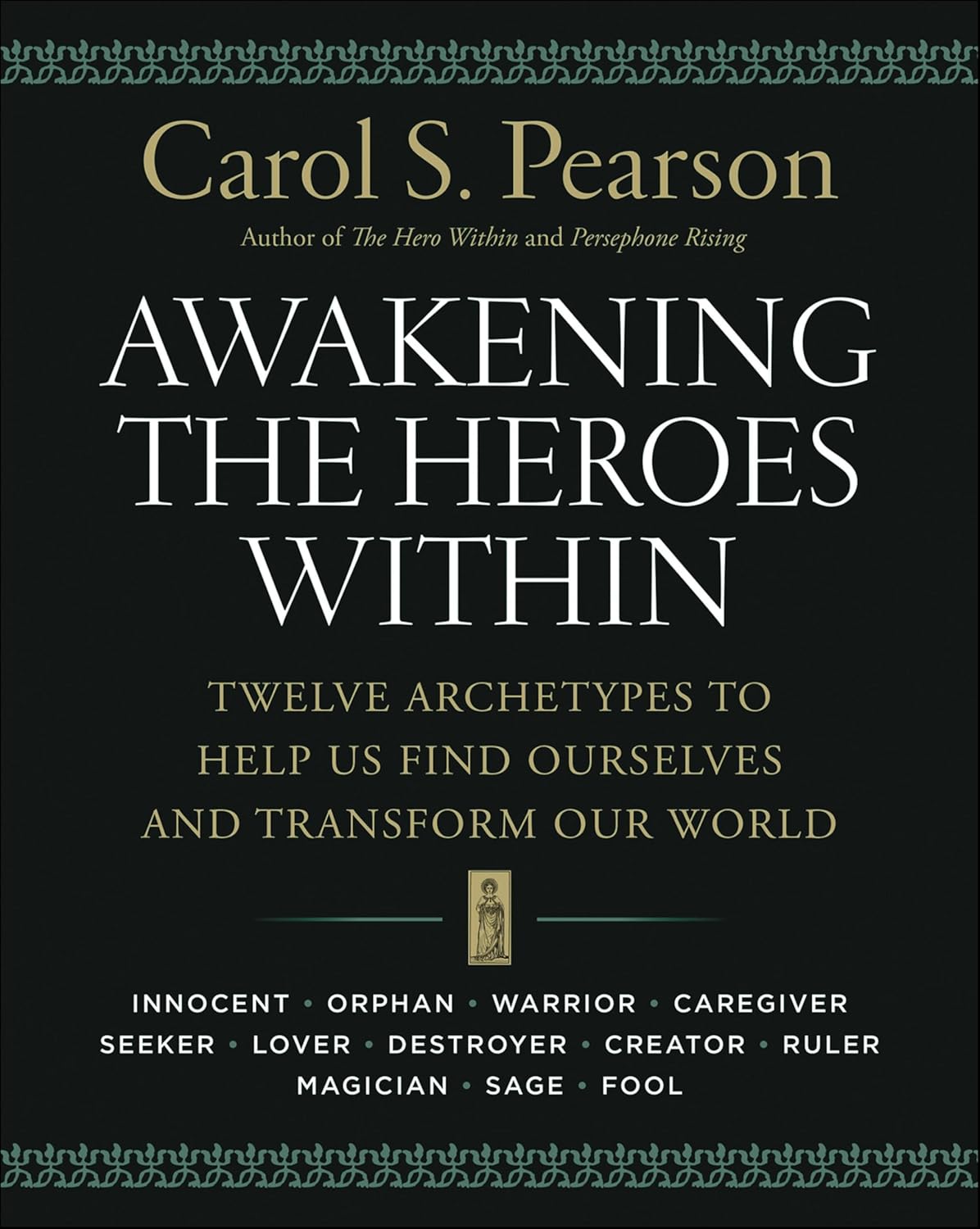
Awakening the Heroes Within: Twelve Archetypes to Help Us Find Ourselves and Transform Our World
by Carol Pearson

The Hero and the Outlaw: Building Extraordinary Brands Through the Power of Archetypes
by Margaret Mark
Books recommended on Jobcadu may contain affiliate links. As an Amazon Associate, Jobcadu may receive a commission from eligible purchases, with no additional cost to you.
The Archetypes and The Collective Unconscious (Collected Works of C.G. Jung Vol.9 Part 1)
by C. G. Jung
Personality Plus at Work: How To Work Successfully With Anyone
by Florence Littauer
Women Who Run with the Wolves: Myths and Stories of the Wild Woman Archetype
by Clarissa Pinkola Estés
Awakening the Heroes Within: Twelve Archetypes to Help Us Find Ourselves and Transform Our World
by Carol Pearson
The Hero and the Outlaw: Building Extraordinary Brands Through the Power of Archetypes
by Margaret Mark
Master the skills mentioned in this article with our top-rated courses.