
A technology company announced it was hiring 50 positions, receiving over 500 applications, but ultimately selected only 10 people, leaving 40 positions still vacant because the remaining applicants "lacked the required skills."

This is not a fabricated story but a real occurrence in the Thai labor market and globally today.
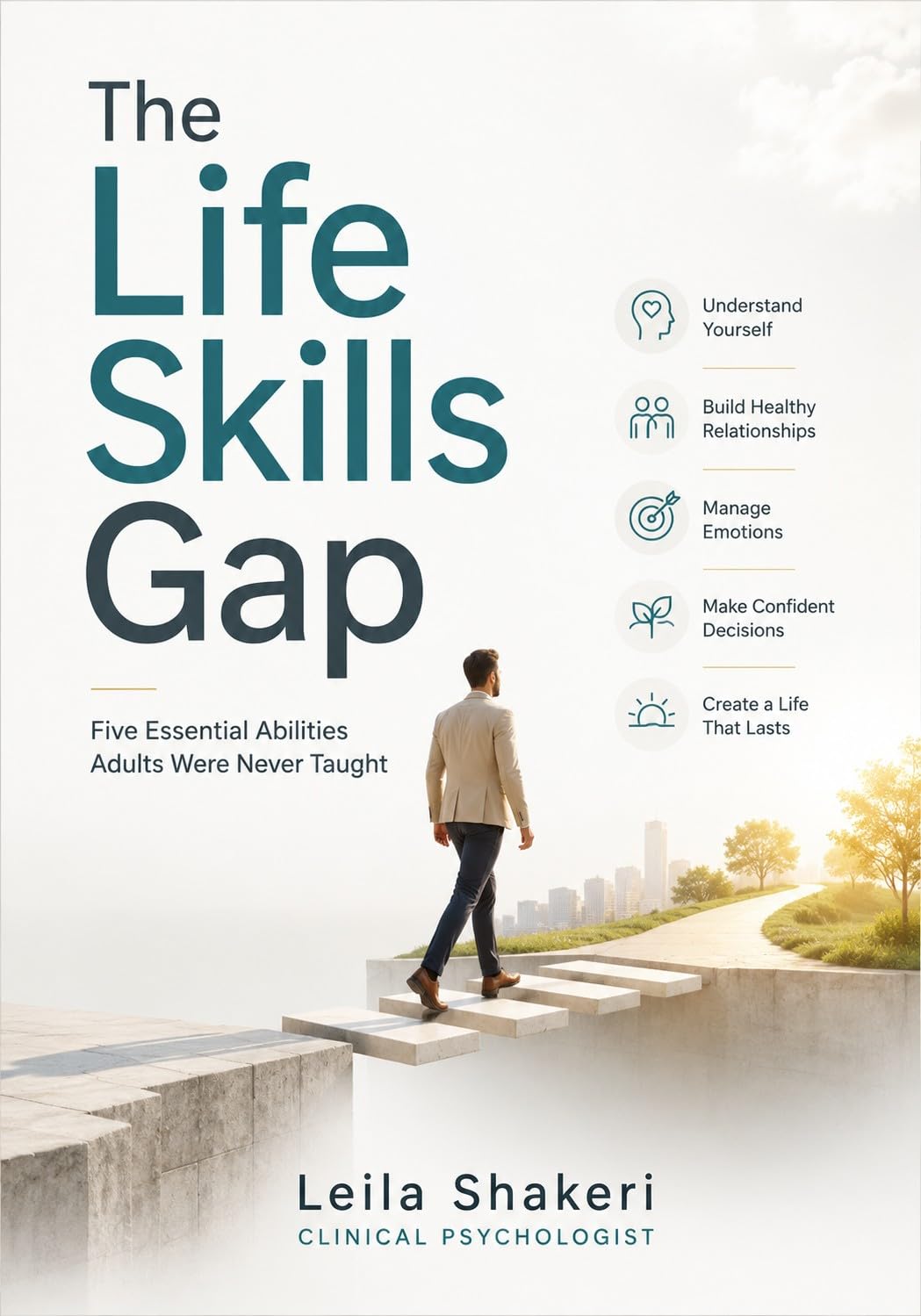
This problem is known as the Skill Gap, and it is one of the main reasons why many young people are still unable to find jobs, despite the numerous job openings available in the market.
The Skill Gap is the difference between the skills that the labor market demands and the skills that job applicants actually possess. Simply put, it is the mismatch between "what companies want" and "what people can offer."
 This gap can be divided into two main types.
The first type is Hard Skills, which are technical skills such as the ability to use tools, programs, computer languages, or specialized work processes, like Data Analysis, coding in Python, using AI Tools, or doing Digital Marketing across various platforms.
The second type is Soft Skills, which are behavioral and cognitive skills, including critical thinking, effective communication, teamwork, adaptability to change, and problem-solving skills.
What is concerning is that in an era where technology is changing rapidly, the Skill Gap is widening. Skills that were relevant five years ago may no longer meet the demands of today's job market.
The question many people wonder is, if they have graduated and obtained a degree, why are they still unable to find a job? The answer lies in these factors.
Most educational systems are designed to teach static knowledge, but the real job market changes faster than the curriculum can keep up. Students studying Marketing may learn theories that are textbook correct but have never actually run Facebook Ads, analyzed Google Analytics, or created a Content Strategy.
Most companies do not judge you based on what you "know," but rather on what you "can do." A portfolio or tangible work that demonstrates your abilities is often more valuable than a degree in many cases, but many new graduates lack this.
The business world in 2026 will require people with digital skills, an understanding of working with AI, the ability to communicate information clearly, and the capability to solve complex problems. These skills are not always included in standard curricula.
 4. Not Understanding "What Companies Really Want"
Many new graduates apply for jobs without knowing what specific skills the position requires, leading them to prepare in the wrong direction and miss opportunities unknowingly.
Companies are no longer just looking at "qualifications" but are assessing whether you are "truly ready to work."

Try to assess yourself; if you find yourself in these situations, it may be time to reevaluate your skills.
1. Applying for many jobs but not getting called for interviews: This may mean your resume is not passing the ATS system or the skills listed do not match what the market actually requires.
2. Getting interview opportunities but failing the final round repeatedly: This is often a sign that your Soft Skills or ability to express your value still has gaps.

3. Feeling that what you learned is not applicable in real life: This is a classic sign of the Education-Industry Gap.
4. Not knowing what skills to develop next: Lacking direction in self-development, which is as dangerous as lacking skills.
5. Feeling that you cannot compete with others, despite putting in equal effort: Sometimes the problem is not diligence but the wrong direction.

According to surveys of the labor market in Thailand and abroad, the skills that employers are looking for the most this year are as follows:
1.Digital & AI Literacy: It's not just about using AI but understanding how to use AI in work to achieve better results. This includes using Prompt Engineering, evaluating the quality of AI Output, and integrating AI into the workflow.
2.Data Thinking: The ability to read, interpret, and leverage data. Even if you are not a Data Scientist, everyone in the organization should be able to communicate with data.
3.Communication & Storytelling: The ability to present ideas, information, or results clearly and engagingly, both in writing and speaking.

4.Problem-solving & Critical Thinking: The ability to view problems from multiple angles, ask the right questions, and find creative solutions.
5.Adaptability: The flexibility to learn new things and adapt to changing environments.
 If you are still unsure where your skills stand, on Jobcadu you can search for entry level jobs that clearly specify the required skills and use them as a guide to assess your own gaps immediately.
Knowing that you have a Skill Gap is a good starting point, but what should you do next? Here are practical guidelines.
Before solving a problem, you need to know where the problem lies. Ask yourself what you are good at, what you lack, and what skills are required for the job you want. Compare the Job Description of the position you are interested in with the skills you actually have. The gap you see is what you need to develop.
It's not about learning everything you see, but choosing to learn what the "market needs" and what you are "truly interested in." Upskilling is about deepening existing skills, while reskilling involves learning entirely new skills for a changed career path.
On Jobcadu you will find courses designed to meet the real demands of the job market, not just general content, but linked to the skills employers are looking for.
Skills that only exist in your head are worthless if you can't prove them. Start building a portfolio with real projects. You don't have to wait for a "big" or "perfect" job. Just do it and show your thought process. Both Case Studies, Side Projects, or real work practice with NGOs, small Startups, or even helping acquaintances can all be part of your portfolio.
In today's work environment, using tools like AI is no longer an advantage but a basic requirement that everyone should have. What makes a difference is whether you can "achieve real results" or not, not just knowing the tools.

This is the shortcut that most people overlook. Learning alone can take a long time and often leads to confusion, but having a mentor with experience can help guide you, allowing you to make more accurate decisions and significantly reduce trial and error time.

This is something most people don't want to hear, but it needs to be said.
Many people realize they have a Skill Gap and choose to solve the problem by "trying harder," applying for more jobs, taking more courses, and reading more books, but the results do not change because the problem is not about "quantity" but about "direction and systems."
Working hard without clear direction is like running fast but in the wrong direction. The more you try, the further you get from your goal.
What needs to change is not the effort, but the self-development system, which consists of knowing where you are, knowing where you want to go, and knowing how to travel in the most effective way.
"Skill alone is not enough. Without direction and the right system, you may just be going in circles."
Solving the Skill Gap does not have to start from scratch or be done alone. There are tools and systems that make this process much easier and more targeted.
On Jobcadu, you can find entry level jobs with clear growth paths, as well as view courses and tools that help you develop skills more precisely, whether it’s planning a career path, upskilling, or preparing for job applications.
Additionally, there are features that help you
Resume Builder that passes ATS — A good resume is not just beautiful, but must also pass the company’s automated screening system, as in many organizations your resume is read by an algorithm before it reaches HR.
Mentors that help clarify the path — Instead of trying and failing alone, having someone who has traveled this path before to guide you will help you make more accurate and confident decisions.
If you have read this far and find yourself showing signs of a Skill Gap, the first thing to know is that this is not entirely your fault. The education system, market changes, and the speed of technology all play a part, but more importantly, it can be fixed.
The Skill Gap is not an insurmountable wall, but a gap that can be filled if you know what to fill it with and have the right tools.
Don’t let this small gap become a major obstacle in your work life.
Start checking your skills and planning your career at Jobcadu from today.
Or find the right job and courses that are targeted to bridge the Skill Gap faster.
Books recommended on Jobcadu may contain affiliate links. As an Amazon Associate, Jobcadu may receive a commission from eligible purchases, with no additional cost to you.
Books recommended on Jobcadu may contain affiliate links. As an Amazon Associate, Jobcadu may receive a commission from eligible purchases, with no additional cost to you.
Master the skills mentioned in this article with our top-rated courses.