Posted on December 2, 2025
Growth
Tags:

 In today’s rapidly changing work environment, understanding “our organization” is just as important as understanding “our job.” Technological disruption and unpredictable market conditions force companies to adapt constantly and employees who understand how their organizations work will be better equipped to contribute and drive meaningful change.
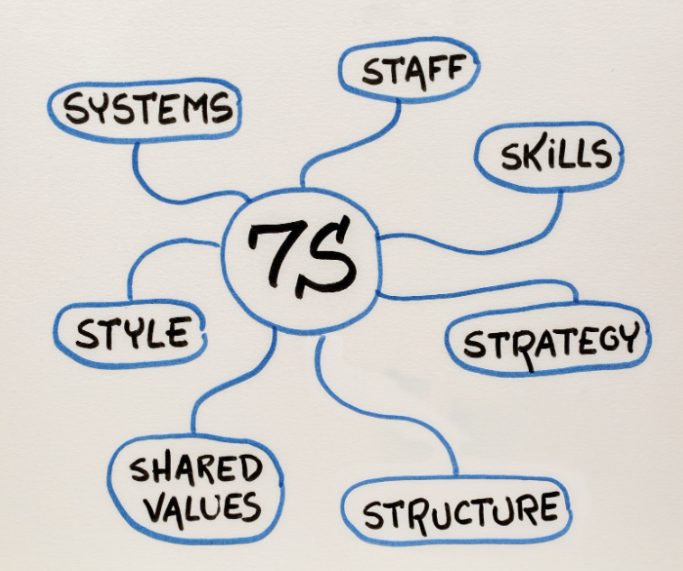
One classic framework that provides a clear, comprehensive view is the McKinsey 7S Framework — a long-standing organizational analysis tool that remains highly relevant today. This model can be applied at the organizational level, the team level, and even for personal career structure and self-assessment.
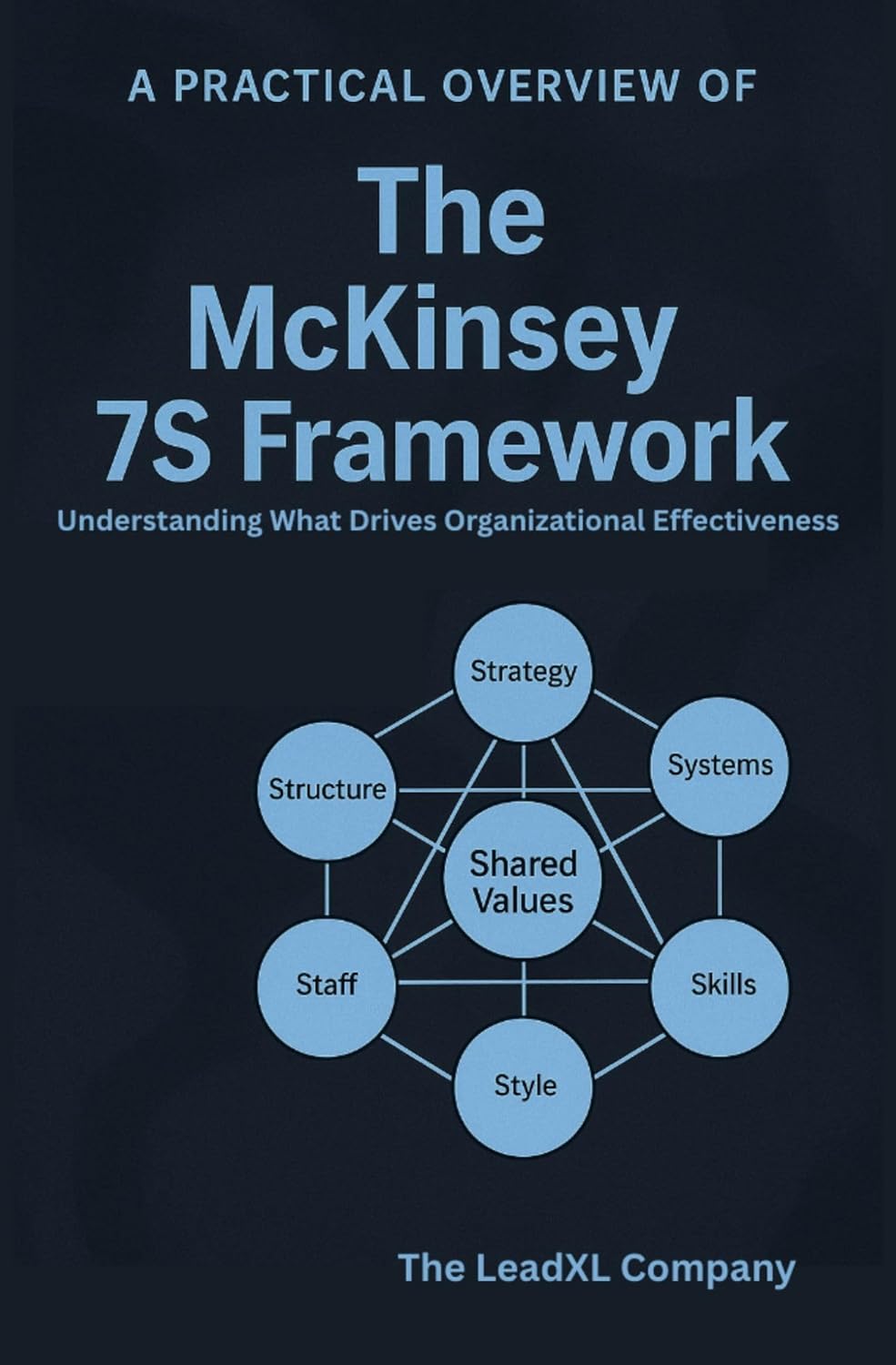
The McKinsey 7S Model is a management framework developed in the 1980s by McKinsey consultants Robert H. Waterman Jr. and Tom Peters.
It analyzes and develops organizations by examining seven interconnected elements that must be aligned for the organization to function effectively.


 The 7 elements include:
Strategy
Structure
Systems
Shared Values
Style
Staff
Skills
The long-term plan is designed to achieve organizational goals and gain competitive advantage.
Example:
A company focused on innovation will invest more heavily in R&D rather than traditional marketing campaigns.
The organizational hierarchy — how authority, responsibilities, and reporting lines are organized.
Example:
Startups often use a flat structure to accelerate decision-making and flexibility.
Large corporations typically use a hierarchical structure with many layers to ensure control and standardization.
 3. Systems
The processes, procedures, and tools that support daily operations.
Examples:
Performance review systems
Project approval workflows
Internal CRM software
Supply chain management systems
The deeply rooted principles and beliefs that guide employees’ behavior and form the foundation of the organizational culture.
Examples:
“Customer First”
“Team Over Individual”
“Trust & Transparency”
The leadership approach and overall management style within the organization.
Examples:
Participative leadership
Authoritative leadership
Coaching-style leadership
 6. Staff
The people in the organization including headcount, quality, recruitment, development, and employee well-being.
Examples:
Leadership development programs
Diversity management
Employee welfare and benefits
The core competencies of the organization and the abilities of employees that create competitive advantage.
Examples:
Technical skills for an AI company
Negotiation skills for sales teams
Soft skills like critical thinking
The 7S framework helps leaders and executives gain a deeper, more holistic understanding of organizational dynamics.
It is useful for:
Assessing readiness before major strategy shifts or mergers
Diagnosing strengths and weaknesses across different organizational areas
Aligning goals with culture, ensuring both hard and soft elements support growth
Improving communication among HR, leaders, and management teams
Creating a shared language and mindset across the organization

Strategy: Add online channels
Structure: Establish a dedicated Digital Team
Systems: Implement CRM and automation tools
Shared Values: Encourage experimentation and new ideas
Style: Leaders adopt a coaching-based approach
Staff: Hire Data and Digital specialists
Skills: Upskill existing staff to use digital tools
Individuals can also apply 7S to analyze themselves:
Strategy = Career goals
Skills = Capabilities to develop
Style = Your working style
Shared Values = What you fundamentally believe and want from the workplace
 Tips for Applying the 7S Framework Effectively
Don’t treat it as just a document — real conversations are needed.
Start with Shared Values since they are the core of the model.
Review structure and systems every 6 months to maintain alignment.
Use it together with other tools like SWOT or Balanced Scorecard.
Understanding the 7S Model = Understanding the Organization
The McKinsey 7S Model acts as a map that shows how every component of an organization is interconnected — not just strategy and structure, but also culture, skills, and people.
Analyzing and aligning all seven elements helps organizations adapt to change and maintain long-term competitive advantage.
For individuals, understanding your organization’s structure and values helps you grow faster, adapt better, and create meaningful impact.
Want to enhance your management skills and understand organizational strategy more clearly?
Explore professional development courses and articles for the modern workforce at 👉 www.jobcadu.com
No sections detected in this article.