

Jobcadu

You finally graduated. You spent years attending classes, completing assignments, studying for exams, and working toward a degree.
Then you started your first job.
And suddenly, you might be thinking:
“Wait... is this what I studied for?”
Maybe your current job has very little to do with your major. Perhaps you imagined yourself working in one industry but ended up somewhere completely different. Or maybe you are looking at other career paths and wondering whether you chose the wrong degree in the first place.
If you have ever felt this way, take a deep breath.
Your first job does not have to be the final proof that you chose the right or wrong major.
In fact, many people discover what they do and do not want from a career only after they start working.

There is a common expectation that your career should follow a straightforward path.
You choose a major. You graduate. You find a job related to that major. Then you continue working in that field for the rest of your career.
But real careers are often much less predictable.
You might study communications and end up working in marketing. You might graduate with a business degree and discover an interest in technology. You might study one subject and eventually find yourself working in an industry you never considered while you were at university.
And that is completely okay.
Your degree is one part of your professional journey. It does not have to determine every job you will have for the rest of your life.
Your first job can also be an opportunity to learn more about yourself.
You may discover:
The type of work you genuinely enjoy
The tasks you would rather avoid
The working environment that suits you
The skills you want to develop
The industries you find interesting
Sometimes, discovering what you do not want can be just as valuable as discovering what you do.
When your current job feels unrelated to what you studied, it is easy to look back and think, “Did I waste all those years?”
But your degree may have given you more than you realise.
University is not only about memorising information or learning specific technical skills. It can also teach you how to learn.
Think about what you had to do during your studies.
You probably had to:
Research information
Analyse complex topics
Solve problems
Meet deadlines
Work with different people
Communicate your ideas
Adapt to new assignments

These are transferable skills that can be useful across many different industries.
For example, you may not use every subject you studied in your daily job. But the ability to research, think critically, communicate clearly, and learn something new can follow you throughout your career.
Your degree may not have given you a single career path. It may have given you the ability to build several.
Starting your first job can teach you things that university never could.
You might discover that the industry you dreamed about is not what you expected. Or perhaps you find yourself enjoying a completely different type of work.
This does not mean you failed.
It means you learned something important about yourself.
Career decisions are often based on the information we have at a particular point in our lives. When you chose your major, you may have been 17 or 18 years old. You probably had less experience and fewer opportunities to understand what different careers were really like.
Now you have more information.
You have experienced the workplace. You have worked with different people. You have seen what a typical working day looks like.
It is natural for your perspective to change.
You are allowed to change your mind.
Realising that you may want a different career can feel exciting—but also stressful.
You may be thinking:
“I want to try something new, but I cannot afford to quit my job and start from zero.”
The good news is that exploring a new field does not always require you to leave your current job immediately.
You can start building new skills while keeping your current income.

Before enrolling in multiple courses or making a major career decision, spend some time exploring.
Ask yourself:
What type of work interests me?
What tasks do I enjoy doing, even outside of work?
What problems do I enjoy solving?
Are there particular industries I want to learn more about?
You do not need to have all the answers immediately.
The goal is simply to become more curious about the possibilities available to you.
A career change can feel overwhelming when you look at everything you need to learn.
Instead of thinking, “I need to completely change my career,” try asking:
“What is one skill I can start learning this month?”
For example, if you are interested in digital marketing, you could start learning about:
Social media strategy
Content creation
SEO
Digital advertising
Marketing analytics
If you are interested in technology, you might explore:
Data analytics
Basic programming
UX/UI design
Artificial intelligence tools
Project management
You do not need to learn everything at once. Small and consistent progress can eventually become a valuable skill set.

Your current job may offer more opportunities than you realise.
Look for tasks or projects that can help you explore a new area of interest.
For example, perhaps you work in administration but are interested in marketing. Could you volunteer to help with a company event, social media project, or presentation?
You do not necessarily need to change your job title immediately to start developing relevant experience.
Look for opportunities to learn where you already are.
One of the best ways to explore a new field is to actually practise it.
If you are interested in writing, start a blog or create sample articles.
If you are interested in design, create a few personal projects.
If you are learning data analytics, find a public dataset and practise analysing it.

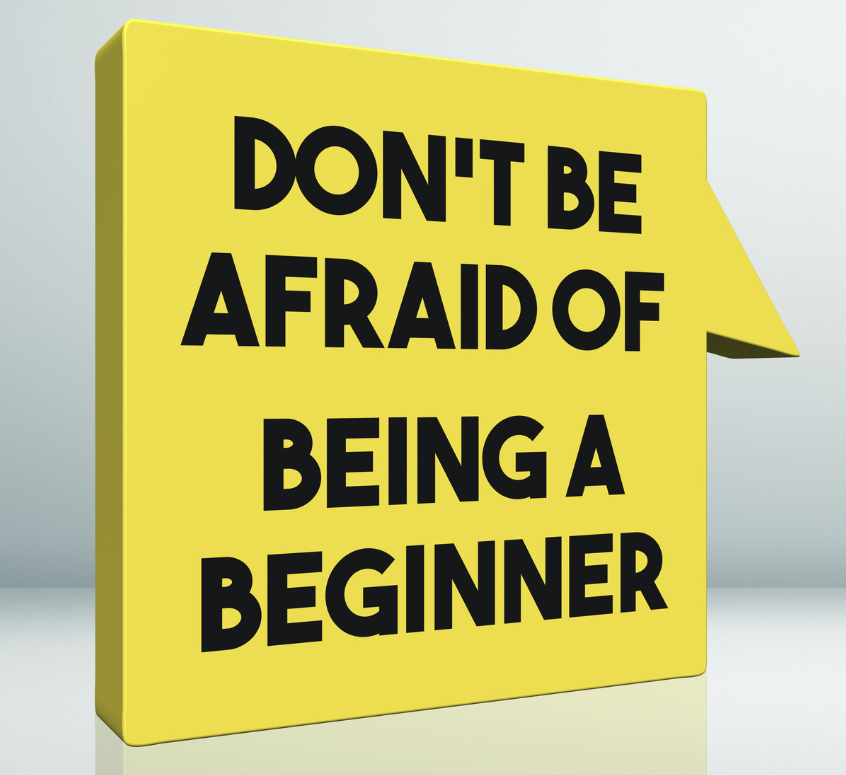
One of the most difficult parts of changing careers is accepting that you might need to start learning from the beginning again.
You may already have a degree. You may already have professional experience. But in a new field, there may still be things you do not know.
And that is okay.
Being a beginner again does not erase everything you have achieved.
You are not starting from zero. You are starting with the experience, perspective, and transferable skills you have already gained.
Your degree is not a contract that forces you to follow one career path forever.
And your first job does not define your entire professional future.
Perhaps your major will eventually become an important part of your career. Perhaps it will simply provide skills and experiences that help you succeed somewhere else.
Both outcomes are valid.
So, if you are sitting at your desk after a few months in your first job and wondering whether you made the wrong choice, remember this:
You do not need to have everything figured out yet.
You are still learning—not only about your job, but also about yourself.
And sometimes, finding the right career path begins with realising that the path you originally imagined might not be the only one available.
If you are considering a new career path, you do not have to figure everything out overnight or leave your current job before you start preparing for what comes next.
Learning new skills can be a practical first step toward exploring new opportunities.
Explore courses and learning resources through the Jobcadu’s Education Portal and start building skills that match the career direction you are interested in.
Whether you want to strengthen your current professional skills, explore a completely new field, or simply discover what interests you, continuous learning can help you create more possibilities for your future.
Your degree may have been where your learning journey started. It does not have to be where it ends. Explore new skills and career possibilities with Jobcadu today.
No sections detected in this article.


.png&w=3840&q=75)